Street Shrines and Corner Madonnas: An Explainer on Italy's Alley Faith Markers
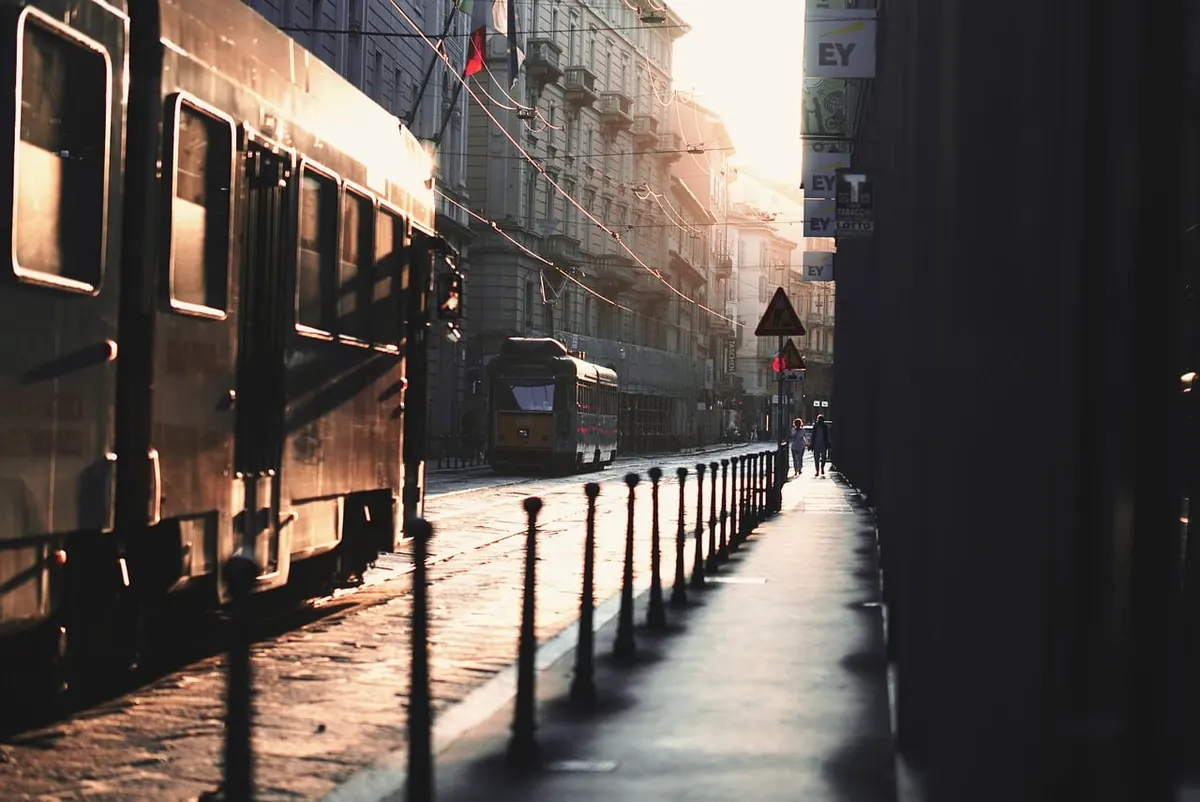
Halfway up a vicolo in Naples, wedged between a shuttered bakery and a wall of peeling ochre plaster, there is a Madonna about the size of a paperback. She wears a plastic rosary, three silk roses and a saucer of oil with a wick that someone lights most evenings. There are no tickets, no opening hours, no plaque explaining her. She is probably the most carefully tended square metre on the street.
These small sacred markers are everywhere in Italy once you start noticing them, and they are one of the most rewarding things a curious walker can learn to read. They tell you who lives on a street, what happened at a bend in the road, and which families still keep a promise made a hundred years ago.
What Counts as a Street Shrine
The working definition is simple: a sacred image placed in public or semi-public space, usually Marian, usually small, not a church and not something you can walk into. It might be a recess in a wall with a glass front and an iron grille, a painted panel on a building corner, a column at a crossroads, or a printed holy card in a rusty frame nailed to a stable door.
Scale varies enormously. Some are no bigger than a shoebox. Others are architectural: a niche the size of a wardrobe, framed in marble, with a wrought-iron gate and a step where you can kneel. Local vocabulary shifts as you travel, which is half the fun — edicola, tabernacolo, capitello, santella — and the same object might be called different things in two towns an hour apart. Don't worry about getting the word right. Learn to recognise the thing.
The Shapes They Take
A few types recur, and knowing them makes a walk far richer. You will not see all of these on one street, but over a week in one town you probably will.
- The wall niche. The classic town version: a recess cut into a facade, often at first-floor height, glazed and gated. Frequently found at the entrance to a courtyard or above a doorway.
- The corner image. Painted directly onto the plaster or set as glazed ceramic tiles on a building corner, facing both streets at once. Glazed tile versions are common along the Ligurian coast and around Naples; painted corner Madonnas are a familiar sight in Rome.
- The freestanding capitello. A small column, aedicule or brick hut at a rural crossroads, field edge or fork in a lane. Common in the Veneto, Lombardy and the countryside around Palermo.
- The courtyard Madonna. Tucked into a passage, an androne or a stairwell, tended collectively by the households of the block. These are the most domestic and the most easily intruded upon.
- The roadside memorial. Sometimes religious, sometimes purely commemorative, marking the place where someone died. Read the flowers and the photographs before assuming which.
- The temporary shrine. A statue brought out on a bracket for May devotions, a procession, or a saint's feast, dressed with fresh flowers and then taken back inside.
Why They Are There
Motives stack up. The oldest layer is votive: thanks for surviving an epidemic, an earthquake, a bombing, a bad year. Then there is the promise made by an individual — a safe return from emigration or war, a recovery, a child born after years of hoping. Many shrines are, in the most literal sense, thank-you notes in stucco.
A second layer is protection. A Madonna at the mouth of a vicolo or above a workshop door guards a threshold, and in practical terms also marks territory: this is our street, our block, our corner. Rural capitelli often mark a boundary, a dangerous bend, or the edge of a parish as much as they mark a devotion.
The third layer is grief, and it is the one travellers most often misread. Not every roadside shrine is ancient. Some are recent, kept up by a family who lost someone at that spot, and they deserve more care than the older ones.
What all of them have in common is maintenance by somebody. Sometimes it's the parish, sometimes a neighbourhood association, very often one woman on the street who has quietly done it for thirty years. If the glass is clean and the flowers are fresh in February, someone is watching over it.
Per grazia ricevuta.
You'll find that phrase — "for grace received" — on the small marble tablets set beside many shrines, usually with initials and a year, and occasionally with a small silver heart or a tin plaque shaped like the limb that was healed.
Reading the Details
Look at what has been left. Fresh flowers and a lit lamp mean active devotion; faded plastic roses and a dead bulb mean the shrine is remembered but idle. A new pane of glass set into an old frame tells you someone paid for a repair. A child's drawing laminated and taped inside is a sign that the devotion has been handed to the next generation.
Look at the image itself, too. A mass-produced print of the Madonna of Pompeii or Fatima, still in its factory frame, suggests a shrine set up in living memory. A faded fresco, a repainted wooden statue, a mosaic with half its tiles gone, suggests something much older that has been patched rather than replaced. Small silver ex-votos, rosaries hanging from a nail, a handwritten note slipped under the grille — these are the working parts of the thing. Photograph them if you like, but leave them exactly where they are.
How to Look Without Intruding
This is somebody's faith, and often somebody's hallway. A few habits will keep you welcome:
- Don't touch, open the grille, straighten the flowers or move anything to improve your shot.
- Ask before photographing a shrine inside a courtyard, passage or stairwell. A shrine on a public street is fair game from the street; a shrine inside a building is not.
- Skip the flash, especially at dusk and especially near ground-floor windows.
- If someone is praying or tending the shrine, wait, or come back later. Don't photograph them.
- Keep your voice normal but low, and don't eat, sit or lean on the step.
- If there's a coin box, a coin is a reasonable gesture. Don't leave your own objects as improvised offerings.
- If someone is cleaning or changing the flowers, a nod and a buongiorno is exactly the right amount of interaction.
- Resist the commentary. Calling a shrine "quaint" or "superstitious" out loud, in front of the person who just lit the lamp, is a bad look and a worse habit.
Where to Train Your Eye
Start in the dense historic centres, where shrines sit at eye level and multiply at corners. The vicoli of Naples and the Spanish Quarter are exceptional for sheer density; Rome's painted corner Madonnas reward a slow walk through Trastevere and Monti; Venice hides small shrines in calli where you least expect a lamp. In Sicily, look for santelle at street corners and painted columns out in the countryside. In the north, the rural capitello is the thing to watch for at crossroads and field gates.
Then get out of the cities. Some of the best are on the edge of small towns, along lanes between vegetable plots, or on the wall of a farm building where the plaster has gone and the brick shows through. Walk the same route twice and you'll spot three you missed.
Before You Walk On
Treat every shrine as if the person who tends it is standing just out of sight, because very often they are. Look closely, photograph considerately, and take the details as information rather than decoration: the fresh flowers, the repaired glass, the name on the marble tablet. A street shrine is one of the few places in Italy where the ordinary history of a street is written down and still kept up to date.
If one catches your eye, note the street and the corner. Come back in the evening, when the lamps are on. That is when the vicolo shows you what it is actually for.
Photo: Photomark3 / Pixabay