5 Common Mistakes First-Time Alley Walkers Make in Italy and How to Avoid Them
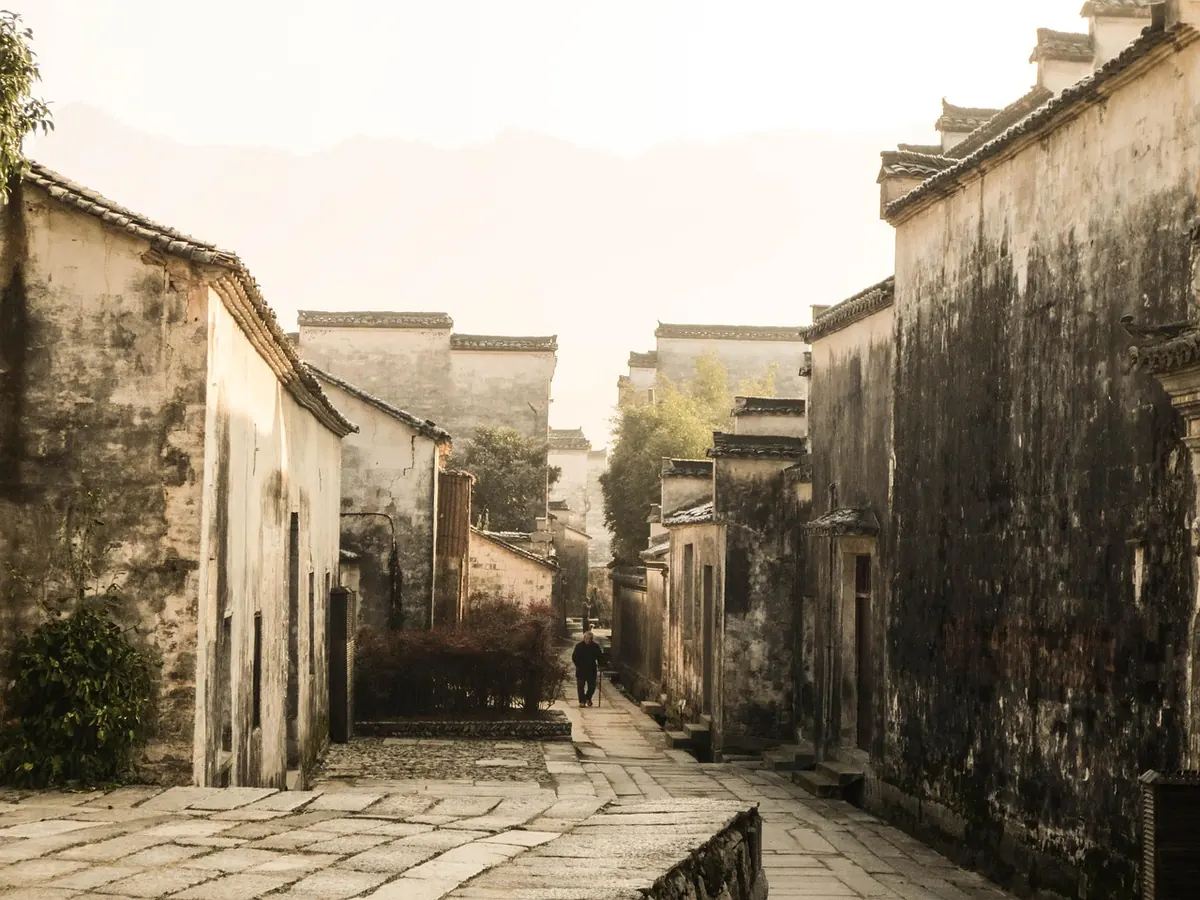
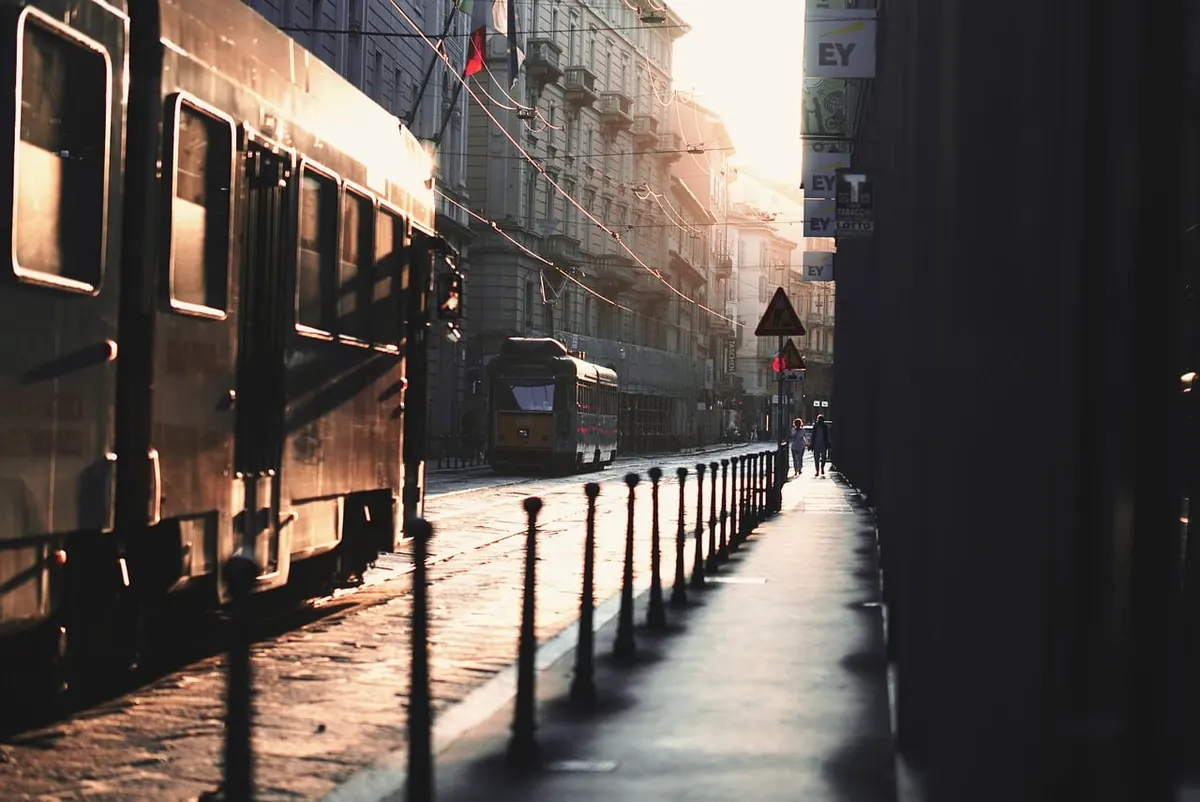
The first time you turn off a piazza into a vicolo, something changes. The noise drops by half. Light arrives in slices between the roofs. The street narrows to the width of two people and a scooter mirror, and you find yourself walking slower without having decided to.
It is the best part of any Italian town, and it is also where first-time walkers make the same handful of small, forgivable, entirely avoidable mistakes. None of them will ruin a day. Fixing them makes the walk calmer for you and easier for the people who actually live behind those doors.
1. Stopping dead in the middle of the lane
An alley looks empty, so you stop to check the map or frame a photo. Thirty seconds later a delivery van is idling behind you, a woman with shopping bags is waiting to get past, and a scooter is doing that small, patient rev that means excuse me.
These lanes are not pedestrian zones, even when they feel like it. They carry deliveries, rubbish collection, school runs, bicycles, cats with right of way. The middle of the street is a traffic lane; the edge is where you belong when you are not moving.
Better still, never stop in a doorway. Doors here open outward, and they open often. Someone may come out carrying a bicycle, a bucket, a tray of pastries, or a toddler. Raised stone thresholds are not benches either. If you want to pause, tuck yourself against a wall between two openings, turn your shoulder to the street, and take your photo from there.
If you are walking with other people, agree on a signal. One hand raised means stopping, and everyone steps to the wall before the conversation starts. You will move through towns twice as smoothly.
2. Reading "privato" as decoration
Small painted signs — privato, proprietà privata, vietato l'accesso — are not rustic charm. They mark the point where a public lane ends and someone's courtyard, stairwell or garden begins. The tricky part is that the boundary is often invisible: no gate, no fence, just a change of paving and a line of potted plants.
If you have to duck, squeeze past a chain, or step over a row of pots, you have probably left the public street.
The same goes for staircases that look like shortcuts. In hill towns, a flight of steps between two buildings can be a public scalinata or the only way up to four families' front doors. The difference is usually a sign, a bell, or a locked iron gate at the top. Look before you climb.
And treat open doors with restraint. A door propped open on a hot afternoon is ventilation, not an invitation. If you genuinely want to look into a courtyard or ask whether a passage is open to walkers, learn one sentence: Posso passare? Point, smile, accept the answer, and thank them whether it is yes or no.
A note on photographs
Laundry lines, doorways, old men on plastic chairs: this is the material everyone wants to photograph, and it is also people's front rooms. Shoot the street, the stone, the light. If a person is clearly the subject, a raised eyebrow and a gesture toward your camera is enough. A nod means yes. A turned shoulder means no, and that is fine.
3. Packing for a hike when you are going for a walk
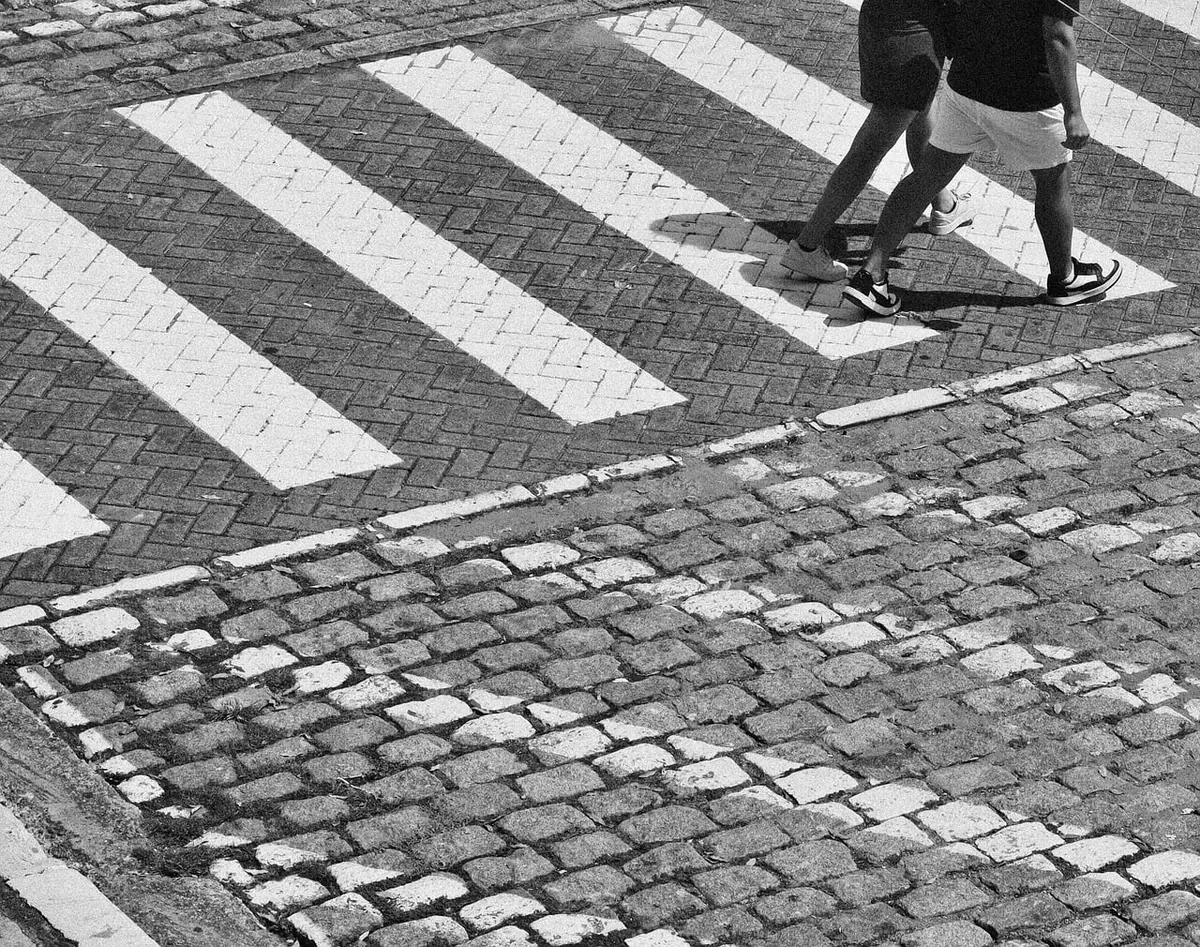
The single most annoying object in a narrow Italian lane is a wheeled suitcase. Cobblestones — Rome's sampietrini, Bologna's basoli — turn hard plastic wheels into a machine that announces your presence to the whole neighbourhood and shakes your bag apart at the same time.
Oversized backpacks are the second. In a lane a metre and a half wide, a pack that swings behind you will meet a shop display, a hanging plant, or a person's shoulder. You will not notice. They will.
What actually earns its place in a day bag:
- One refillable water bottle. Fountains are common; queues for shops are not.
- A soft, narrow bag worn close to your body, not a hard case on wheels.
- Coins and small notes. A coffee standing at the bar is quicker with change in your pocket.
- One light layer. Alleys are cool and shaded even in warm weather, and the wind funnels.
- A paper note of where you are staying. Batteries die; addresses on paper do not.
Shoes matter more than anything else on this list. Smooth leather soles on polished stone, especially after rain, is a genuinely bad combination. Flat rubber soles with a bit of tread will do more for your day than any gadget.
4. Trusting the map's walking time
Maps measure distance. Alleys measure effort. Six hundred metres across a hill town can take fifteen minutes if most of it is a salita — a climb — and another five if you stop twice to check that you are in the right lane, because in a town of identical stone corners you often are not.
So build slack into the day. A workable rule: take the time your phone gives you, double it, and treat the result as the time an unhurried person would take. If it comes out shorter, you will simply arrive early and find a bench.
The stairs you cannot see on the screen
Many historic centres are built on slopes, and the shortest route between two points is frequently a staircase with no name. Downhill on wet stone is slower than you expect. Uphill in July is slower still, no matter how fit you are. Plan two or three stops a day rather than six, and put the furthest one early, before the heat and the crowds arrive.
Also: agree on a meeting point before you split up. "At the fountain" works. "Somewhere near the church" does not, especially in a town with four churches.
5. Walking the alley like a corridor
This is the quiet one. Headphones in, phone up, eyes at knee height, moving fast to reach the next sight. You arrive at the piazza and realise you remember the route and nothing else.
Alleys reward a different pace. Look up: corbels, iron balconies, votive niches set into the wall, painted street numbers on ceramic tiles, a date carved over a lintel. Look down: marble thresholds worn into curves, older paving under newer paving, a gutter cut for water that still works after four centuries. Keep one ear free, because scooters come quietly and they come from behind.
And say good morning. Buongiorno to the shopkeeper sweeping the step, to the person watering plants in a doorway, to anyone who catches your eye. You will get a nod, occasionally a conversation, and the street will stop feeling like a set and start feeling like a place where people live.
A five-minute routine before you turn the corner
None of this needs equipment or planning. Just a small habit, repeated each morning:
- Empty your bag down to the five things above, and put the phone in a pocket rather than your hand.
- Fill the water bottle before you leave, not when you get thirsty.
- Check the route for stairs and steep lanes, then add half an hour to the estimate.
- Agree on a regroup point and a time with anyone walking with you.
- Pause at the mouth of the first alley and look before you walk into it.
Do that, and the rest is easy: keep to the side, read the signs, carry less, leave room in the day, and keep your eyes off the screen for the first hundred metres. The alley will do the rest.
Photo: 52590100 / Pixabay